The global Energy Storage System market is moving from pilot projects into mainstream power planning. BloombergNEF reported nearly 97 GWh of new energy storage deployments in 2023. The International Energy Agency also estimates that global battery storage capacity must expand sixfold by 2030 to support climate targets. These figures look impressive. They also hide difficult buying decisions.
A low-cost lithium iron phosphate system may suit a solar farm with daily cycling. A long-duration solution may better serve a remote microgrid or an industrial site facing evening demand peaks. Buyers must examine usable capacity, round-trip efficiency, degradation rates, thermal management, warranty terms, and local grid requirements. Container dimensions matter too. So do spare parts, response time, and software compatibility. The cheapest quotation can become expensive after installation.
Dr. Imre Gyuk, a leading U.S. energy-storage expert, has said, “Energy storage is the key to unlocking the potential of renewable energy.” That principle guides this review of the 10 Best Energy Storage Systems for Global Buyers. The selection considers technical performance, safety evidence, supplier credibility, lifecycle cost, and regional service capability. No ranking is perfect. Market data changes quickly, and project results vary by climate, tariff structure, and operating profile. A system performing well in California may disappoint in a humid Southeast Asian factory. Buyers should treat this guide as a practical starting point, then verify certifications, independent test results, and bankable warranties before signing.
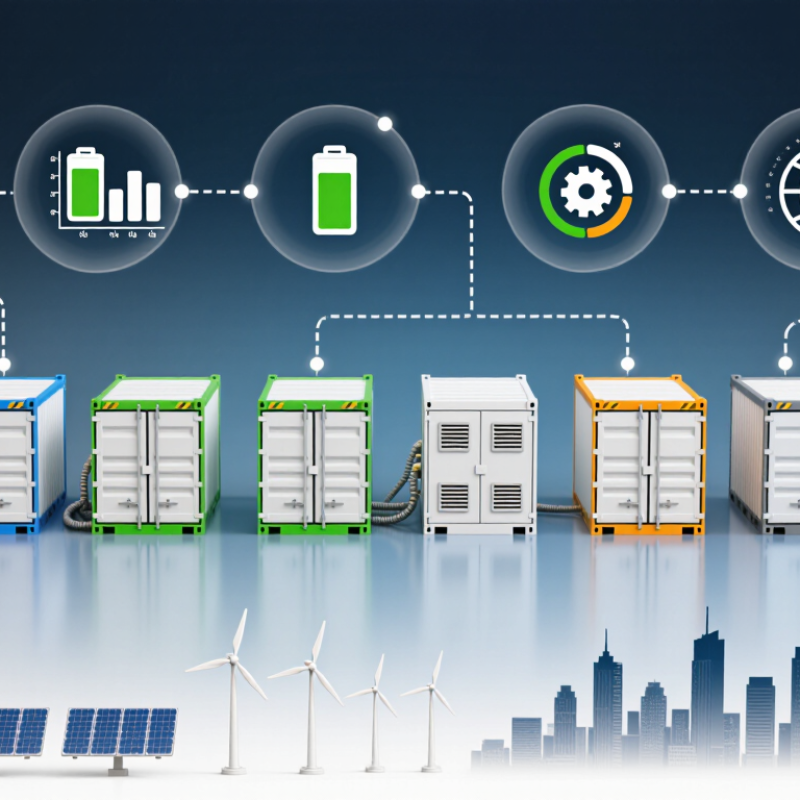
Energy storage systems capture electricity and release it when power is needed. Most systems combine batteries, inverters, thermal controls, monitoring software, and safety equipment. A containerized unit may store solar power at noon and supply a factory after sunset. Smaller systems can support homes, clinics, farms, and remote communication sites.
Global buyers need these systems because electricity supply is not equally stable everywhere. Storage can reduce exposure to outages, demand charges, and changing renewable generation. It also helps businesses use more solar power instead of sending excess electricity back to the grid. In practical terms, buyers should examine usable capacity, discharge duration, cycle life, operating temperature, and maintenance access. A system rated for ten megawatt-hours may deliver less usable energy after reserve limits and conversion losses.
Buying decisions require local evidence, not only impressive datasheets. A hot coastal site may need stronger cooling and corrosion protection. A dusty inland project may require filtered air systems and simpler service procedures. We have seen planning fail when buyers measured only battery size. Grid rules, fire protection, spare parts, warranty terms, and technician training matter just as much. One weakness remains: future electricity prices are difficult to predict. That uncertainty deserves a clear financial model, realistic performance assumptions, and room to revise the project design.
The ten main energy storage systems used worldwide include pumped hydro, lithium-ion batteries, lead-acid batteries, flow batteries, sodium-ion batteries, compressed air, flywheels, thermal storage, hydrogen, and gravity storage.
Each serves a different operating need. Pumped hydro supports large grids where reservoirs and elevation are available. Lithium-ion systems respond quickly and fit solar farms, factories, and commercial buildings. Lead-acid remains practical for backup power, although its shorter service life can increase replacement work.
Flow batteries suit longer discharge periods and frequent cycling. Sodium-ion technology is developing for cost-sensitive projects and colder environments.
Compressed-air storage can provide bulk capacity in suitable underground formations. Flywheels deliver rapid power for seconds or minutes.
Thermal storage holds heat or cold for buildings and industrial processes. Hydrogen can store renewable energy for extended periods, but conversion losses remain significant.
Gravity systems lift heavy materials and release energy later; their long-term economics still need careful proof. No ranking is perfect.
Tips:
Begin with the load profile, not the technology label. Measure peak demand, daily cycling, outage duration, temperature, maintenance access, and available land.
Ask for independently verified performance data. Check round-trip efficiency, degradation assumptions, fire protection, and disposal plans.
A low purchase price may hide difficult installation costs. Real projects often reveal gaps between laboratory results and field performance.
When comparing energy storage systems, start with usable capacity, not the advertised nameplate figure. A 100 kWh system may deliver only 85 kWh after reserve limits and conversion losses. Measure daily demand, peak loads, and expected backup hours. Oversizing increases capital cost, while undersizing may trigger frequent grid purchases. It is a difficult balance.
Efficiency needs a complete definition. Round-trip efficiency shows how much energy returns after charging and discharging. A system rated at 90% may deliver 90 kWh from 100 kWh charged, before auxiliary loads. Pumps, cooling fans, controls, and standby consumption can reduce real performance. Ask for test conditions, temperature ranges, and degradation data. A neat spreadsheet can still mislead.
Safety deserves practical inspection. Look for thermal monitoring, cell-level protection, fire separation, ventilation, emergency shutdowns, and documented compliance with applicable local standards. Installation quality matters as much as equipment design. Check who performs commissioning and how faults are recorded. Cost comparisons should include installation, software, maintenance, insurance, replacement parts, and disposal. Calculate cost per usable kWh over the expected service life, not only the purchase price. Some low-cost systems become expensive after capacity fades. This is easy to overlook. And projected savings are never perfectly certain; tariffs, weather, and operating habits can change.
10 Best Energy Storage Systems for Global Buyers
Which Energy Storage Technologies Fit Different Applications
Choosing an energy storage system starts with the application, not the advertised capacity. A solar farm may need four hours of daily discharge. A hospital may need instant backup for critical equipment. Lithium-ion systems suit frequent cycling, compact sites, and fast response. Lithium iron phosphate chemistry can improve thermal stability, but it still requires careful monitoring and fire protection. Check real operating data, not only laboratory ratings.
Flow batteries fit projects requiring long discharge periods and frequent cycling. Their liquid electrolytes can support large stationary installations, although pumps, tanks, and maintenance increase site complexity. Lead-acid systems remain practical for simple backup applications, especially where budgets are tight. They usually need more space and replacement planning. Flywheels and supercapacitors respond extremely quickly, but they store energy for shorter periods.
Pumped hydro offers significant capacity where terrain, water access, and permitting allow construction. Hydrogen-based storage may serve seasonal energy needs, yet conversion losses can be substantial. Thermal storage can support industrial heat demand more directly than electricity storage. Sodium-ion systems are gaining attention for cost-sensitive projects and colder climates, but long-term field evidence is still developing. Buyers should compare round-trip efficiency, usable capacity, degradation, warranty conditions, grid codes, and local service capability. Climate matters too. Dust, humidity, salt air, and weak grid connections can change performance. A spreadsheet may suggest the cheapest option, but installation experience often exposes hidden costs. Some forecasts remain uncertain. That uncertainty deserves a budget.
| Technology | Typical Storage Duration | Round-Trip Efficiency | Response Time | Typical Service or Cycle Life | Common Project Scale | Best-Fit Applications | Main Limitations |
|---|---|---|---|---|---|---|---|
| Lithium Iron Phosphate (LFP) Battery | 1–8 hours | 88–95% | Milliseconds to seconds | Approximately 4,000–10,000 cycles; about 10–20 years | Residential, commercial, utility-scale | Solar self-consumption, peak shaving, frequency regulation, microgrids, and daily renewable shifting | Energy capacity is relatively costly for multi-day storage; thermal management and fire protection are required. |
| Nickel Manganese Cobalt (NMC) Battery | 1–4 hours | 90–95% | Milliseconds to seconds | Approximately 2,000–6,000 cycles; about 8–15 years | Electric vehicles, commercial systems, utility-scale installations | Applications requiring high energy density, limited installation space, and fast power delivery | Higher thermal-runaway sensitivity than LFP and greater dependence on nickel and cobalt supply chains. |
| Sodium-Ion Battery | 1–6 hours | 80–92% | Milliseconds to seconds | Approximately 3,000–8,000 cycles; about 8–15 years | Stationary storage, low-temperature applications, short-duration grid systems | Cost-sensitive stationary storage where lower material criticality and cold-weather operation are priorities | Generally lower energy density and a less mature global supply chain than established lithium-ion technologies. |
| Vanadium Redox Flow Battery | 4–12+ hours | 65–85% | Seconds to minutes | About 10,000–20,000+ cycles; approximately 15–25 years | Commercial, industrial, and utility-scale systems | Long-duration daily cycling, renewable integration, and projects requiring independent sizing of power and energy | Lower energy density, larger footprint, and higher initial balance-of-system cost than many lithium-ion systems. |
| Zinc-Bromine Flow Battery | 4–12 hours | 60–80% | Seconds to minutes | Approximately 5,000–10,000 cycles; about 10–20 years | Remote, commercial, industrial, and renewable microgrids | Long-duration storage in hot climates, remote sites, and applications needing deep discharge capability | Lower efficiency and energy density than lithium-ion; electrolyte handling and maintenance requirements vary by design. |
| Pumped-Storage Hydropower | 8–24+ hours | 70–85% | Seconds to minutes | Approximately 40–80 years; many thousands of cycles | Large utility-scale projects, typically hundreds of megawatts to gigawatts | Bulk grid balancing, renewable energy shifting, capacity support, and multi-hour to multi-day discharge | Requires suitable terrain, water resources, long permitting periods, and high civil-construction investment. |
| Compressed-Air Energy Storage | 8–100+ hours | 40–70% | Minutes to tens of minutes | About 30–50 years; high cycle capability | Large utility-scale projects | Long-duration and multi-day grid storage where underground caverns or suitable geological formations are available | Site geology is restrictive; conventional designs may require heat management and auxiliary fuel, while advanced designs are more complex. |
| Flywheel Energy Storage | Seconds to 30 minutes | 85–95% | Milliseconds | Approximately 100,000–1,000,000+ cycles; about 15–25 years | Power-quality systems, transport infrastructure, and grid-support installations | Frequency regulation, voltage support, UPS bridging, regenerative braking, and high-power short-duration events | High self-discharge compared with batteries and limited suitability for storing energy over several hours. |
| Thermal Energy Storage | Hours to several days | Not directly comparable; typically 50–95% for thermal-to-thermal storage | Minutes to hours | About 15–30 years, depending on medium and operating temperature | Buildings, district energy, industrial facilities, and concentrated solar power plants | Cooling and heating load shifting, industrial heat, district heating, and solar-thermal energy management | Often stores heat or cold rather than electricity; electricity recovery can be significantly less efficient. |
| Hydrogen Storage with Fuel-Cell Reconversion | Days to seasonal | 25–45% electricity-to-electricity | Minutes to hours | Approximately 20–30 years for major equipment; storage duration can be extended by adding fuel | Large industrial, utility-scale, transport, and seasonal energy systems | Seasonal renewable balancing, backup power, remote energy supply, and sectors that also consume hydrogen directly | Low round-trip efficiency, high equipment cost, hydrogen leakage and safety controls, and substantial infrastructure requirements. |
For global buyers, the “best” energy storage system depends on location, load profile, and operating conditions. Lithium iron phosphate batteries suit many commercial projects because they offer stable performance and strong cycle life. Sodium-ion systems may fit colder regions or cost-sensitive applications. Flow batteries support longer-duration storage, while pumped hydro, compressed air, thermal storage, flywheels, supercapacitors, lead-acid batteries, and hybrid systems serve different technical needs.
Supplier selection requires evidence, not attractive brochures. Ask for audited production records, cell traceability, warranty terms, and independent safety test reports. Check whether the supplier has completed projects in similar climates. A coastal installation needs corrosion protection. A desert site needs thermal control and dust management. Request operating data from comparable systems, including round-trip efficiency, degradation rates, response time, and availability.
Look closely at after-sales support. Can engineers respond within an agreed period? Are replacement parts stocked near the project region? Does the contract explain capacity guarantees and software updates? These details often decide project performance. A low purchase price can hide expensive transport, weak monitoring, or unclear warranty exclusions. That is risky. In procurement reviews, small documentation gaps often reveal larger coordination problems. Even experienced buyers can overvalue technical specifications and undervalue training. The safest supplier is not always the largest one; it is the one that communicates limits clearly, follows recognized safety requirements, and provides verifiable evidence throughout the project lifecycle.
Start with usable capacity, not the advertised nameplate figure. A 100 kWh system may provide only 85 kWh after reserves and losses. Measure daily demand, peak loads, and required backup hours. Oversizing wastes capital. Undersizing may increase grid purchases. The balance is difficult.
Round-trip efficiency shows how much energy returns after charging and discharging. A 90% rating may return 90 kWh from 100 kWh charged. Cooling fans, pumps, controls, and standby use reduce real output. Ask for test temperatures and auxiliary-load data. A neat spreadsheet can still mislead.
Lithium-based systems often suit compact sites and frequent cycling. They can respond quickly and use limited floor space. Thermally stable chemistry may reduce certain risks, but monitoring remains necessary. Review actual operating data, not laboratory ratings alone. Performance still changes.
Flow batteries can suit frequent cycling and long discharge periods. Their tanks and pumps increase maintenance and site complexity. Pumped hydro offers large capacity where terrain and water access permit construction. Long-duration technologies may require more planning, permits, and space. Nothing is effortless.
Flywheels and supercapacitors respond extremely quickly. They are useful for brief power support and rapid fluctuations. However, they usually store less energy for longer backup periods. Match response time with the actual load profile. Fast is not always enough.
Look for thermal monitoring, cell-level protection, fire separation, ventilation, and emergency shutdowns. Request documented compliance with applicable local standards. Inspect commissioning procedures and fault-recording methods. Installation quality matters as much as equipment design. Check the real site.
Include installation, software, maintenance, insurance, replacement parts, and disposal. Calculate cost per usable kWh across the expected service life. Capacity fade can make a low purchase price expensive later. Projected savings may change with tariffs, weather, and operating habits. Forecasts are never perfectly certain.
Request audited production records, cell traceability, warranty terms, and independent safety reports. Ask for data from projects in similar climates. Check response times, nearby spare parts, capacity guarantees, and software-update terms. Training is easy to undervalue. Documentation gaps deserve attention.
An Energy Storage System stores electricity for use when demand rises, renewable generation falls, or grid conditions change. For global buyers, these systems can improve energy reliability, reduce peak electricity costs, support solar and wind integration, and provide backup power for commercial, industrial, residential, and remote applications. The main technologies used worldwide include lithium-based batteries, lead-acid batteries, flow batteries, sodium-based systems, pumped hydro, compressed air, flywheels, thermal storage, hydrogen storage, and supercapacitors. Each option offers different advantages in capacity, response speed, lifespan, efficiency, safety, and installation requirements.
Choosing the right system requires matching technical performance with the project’s operating environment and budget. Buyers should compare usable capacity, round-trip efficiency, cycle life, maintenance needs, safety controls, expansion flexibility, and total ownership cost rather than focusing only on the purchase price. Reliable supplier selection also depends on product certifications, quality assurance, system integration expertise, warranty terms, technical support, spare-part availability, and transparent communication. A careful evaluation helps global buyers secure a practical, safe, and cost-effective storage solution for long-term energy needs.

Demin Power