2026 Best Off Grid Inverter for Solar Systems?

Time:2026-09-20 Author:Sophia
0%

Choosing the 2026 Best Off Grid Inverter for Solar Systems requires more than comparing wattage and marketing claims. A reliable Off Grid Inverter must manage solar production, battery storage, household demand, and unexpected power surges. In a remote cabin, a refrigerator may start while a water pump and communication equipment are running. That brief load spike can expose a weak system quickly.

This guide examines inverter performance through practical factors, including continuous output, surge capacity, battery voltage, charging control, efficiency, noise, and protection features. It also considers installation conditions, such as dusty workshops, cold mountain sites, and poorly ventilated utility rooms. Manufacturer specifications provide useful evidence, but field experience often reveals limitations that brochures do not mention. A model may advertise high efficiency yet perform differently under partial loads or extreme temperatures.

Real-world reliability matters most.

There is no single inverter that suits every solar system. A small weekend shelter needs different capabilities from a full-time rural home with power tools and medical equipment. Buyers should also verify compatibility with their battery chemistry, solar array voltage, generator input, and local electrical requirements. Some recommendations may change as new firmware, batteries, and testing data become available. That uncertainty deserves honest attention. The best choice balances safety, usable power, repair support, monitoring quality, and long-term value instead of chasing the highest headline rating.
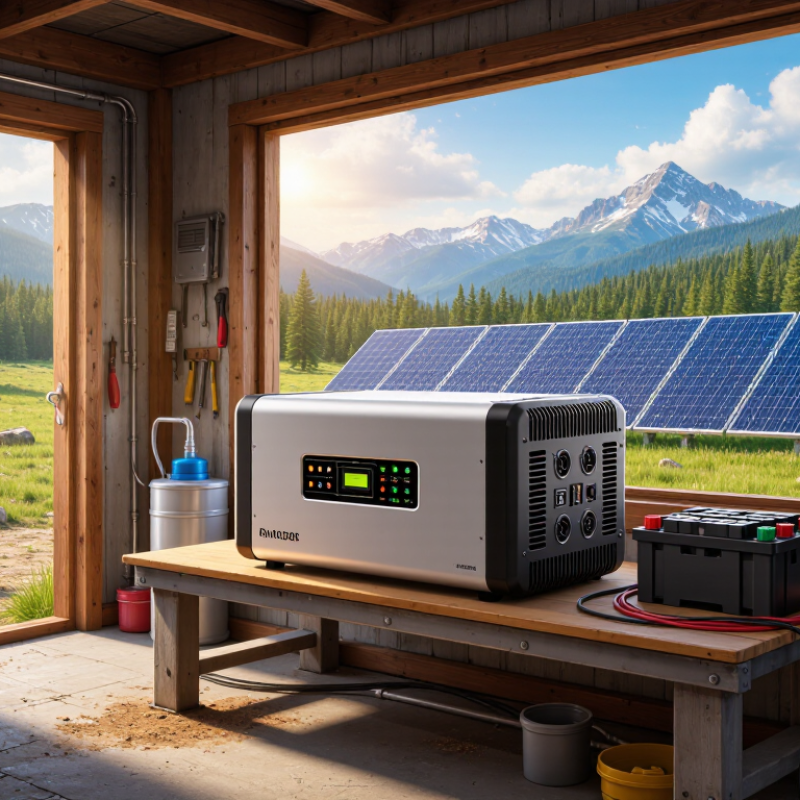
2026 Best Off Grid Inverter for Solar Systems?

What an Off-Grid Inverter Does in a Solar Power System

An off-grid inverter is the control center of a solar power system. It converts battery power from direct current into alternating current for household appliances. Solar panels generate electricity during daylight, while batteries store unused energy for later use. The inverter manages this energy flow and protects connected equipment from unstable voltage. In a remote cabin, it may power lights, a refrigerator, water pumps, and communication devices. It also monitors battery levels and can disconnect loads when energy becomes dangerously low.

Choosing the best off-grid inverter in 2026 depends on daily power use, battery voltage, surge demand, and local weather. A refrigerator may need three times its running power during startup. That short surge matters. Pure sine wave output is usually safer for motors, medical equipment, and sensitive electronics. I have seen systems fail because installers measured average consumption but ignored startup loads. My early estimates made the same mistake. Correct sizing needs real measurements, not guesses. Professional installation should also include grounding, ventilation, cable protection, and clear shutdown access.

Tips: List every appliance and its wattage. Record daily operating hours. Add extra capacity for cloudy days. Check the inverter’s continuous and surge ratings. Keep batteries within the recommended temperature range. Review the settings after installation, because factory values may not suit every battery. A simple monitoring display can reveal unusual overnight losses before they become expensive problems.

Key Specifications for Choosing a 2026 Off-Grid Inverter

Choosing the best off-grid inverter in 2026 starts with measurable specifications, not advertising claims. IEA PVPS Trends 2024 reports that global solar capacity exceeded 1.4 terawatts by the end of 2023. More systems now operate far from stable grids. This makes inverter reliability critical.

Match continuous output to real loads, then add headroom for pumps, refrigerators, and motor starts. A 3,000-watt inverter may struggle with a 1,200-watt well pump. Surge capacity matters. Check its duration, not only the peak number. Confirm the MPPT voltage range, maximum solar current, battery voltage, and conversion efficiency. Low idle consumption also protects energy during long cloudy nights. Battery compatibility matters too, especially with lithium systems and temperature limits. IEC 62109 safety compliance should be verified in technical documentation.

Tips: Record appliance startup wattage with a meter. Keep at least 20% capacity reserve. IRENA’s Renewable Power Generation Costs in 2023 reports an 89% decline in battery storage costs from 2010 to 2023, but cheaper storage does not fix poor system sizing. Choose adjustable charging settings, generator support, remote monitoring, and suitable weather protection. Installation experience reveals problems datasheets often hide. Cable voltage drop, cold-weather performance, and noise can change the result. A perfect specification sheet is rare. Test assumptions before buying.

2026 Best Off Grid Inverter for Solar Systems? - Key Specifications for Choosing a 2026 Off-Grid Inverter

Category Key Specification Recommended 2026 Selection Range Why It Matters
System Sizing Continuous rated output The reserve helps prevent overload during normal operation and allows for future load growth.
System Sizing Surge or peak output Refrigerators, pumps, compressors, and power tools may require substantially more starting power than their running rating.
AC Output Output waveform Pure sine wave output is suitable for sensitive electronics, induction motors, chargers, and most household appliances.
AC Output Output voltage and frequency Voltage and frequency compatibility is essential for safe operation of appliances and connected circuits.
Battery Compatibility Battery voltage Higher battery voltage reduces DC current, cable losses, and cable-size requirements at the same power level.
Battery Compatibility Battery chemistry support Charging voltage, absorption behavior, low-voltage cutoff, and temperature compensation differ by battery chemistry.
Solar Charging MPPT charge controller MPPT technology generally harvests more available solar energy than basic PWM charging, especially when panel voltage is higher than battery voltage.
Solar Charging Maximum PV input voltage Panel voltage can rise in cold weather. Exceeding the PV voltage limit may permanently damage the charge controller.
Solar Charging MPPT operating range A correctly matched voltage range allows the controller to track the array’s maximum-power point more consistently.
Efficiency Peak conversion efficiency Peak efficiency alone is not enough; low-load efficiency affects overnight consumption and lightly loaded systems.
Standby Consumption No-load or idle power An off-grid inverter consumes energy even when no appliance is running, which can noticeably reduce battery autonomy.
Protection Built-in electrical protections Multiple protection functions reduce the risk of damage caused by wiring faults, abnormal loads, and battery or PV conditions.
Installation Operating temperature Power output may need derating at high temperatures, and batteries may require separate temperature limits.
Installation Enclosure and environmental rating Dust, moisture, condensation, and poor ventilation can shorten inverter life and create electrical safety risks.
System Integration Transfer switch or bypass function A properly rated transfer or bypass function helps maintain supply continuity while preventing unsafe backfeeding.
System Integration Parallel and expansion capability Expansion capability can increase system capacity, but compatible firmware, communication wiring, and configuration are required.
Monitoring Communication and data logging Monitoring makes it easier to identify excessive loads, poor solar harvest, battery problems, and fault conditions.
Reliability Continuous-duty suitability Off-grid equipment may operate for long periods without grid support, making thermal design and transparent ratings important.
Safety Compliance and installation documentation Certification requirements vary by country and installation type. A qualified installer should confirm code compliance.
Best Use Case Recommended inverter profile This combination provides a practical baseline for residential cabins, remote workspaces, backup systems, and small commercial off-grid installations.

Important: Final sizing must be based on the actual load schedule, motor-starting requirements, battery manufacturer limits, solar-array design, ambient temperature, cable sizing, and local electrical codes. The ranges above are selection guidelines rather than a substitute for a site-specific electrical design.

Leading Off-Grid Inverter Types and Their Best Applications

2026 Best Off Grid Inverter for Solar Systems?

Choosing the best off-grid inverter depends on the loads, battery bank, and local weather. Pure sine wave inverters suit refrigerators, pumps, medical equipment, and sensitive electronics. Their clean output reduces buzzing, overheating, and unexpected shutdowns. They usually cost more, but repairs can become expensive after poor power quality.

Low-frequency inverters use transformers and handle strong starting surges. They fit cabins, workshops, and homes running well pumps or compressors. High-frequency models are lighter and often more affordable. They work well for lighting, laptops, routers, and moderate household loads. However, their surge performance may disappoint when a motor starts. Check the surge rating, not only the continuous wattage.

Hybrid off-grid inverter-chargers combine solar charging, battery control, and backup generator input. They suit remote homes where sunlight changes quickly. A practical design should match the inverter with battery voltage, cable length, ventilation, and expected nighttime demand. Leave room for expansion. I have seen systems fail because owners sized them for average power, not the refrigerator’s starting surge. That mistake is easy to repeat. Temperature also matters; enclosed equipment rooms can reduce output and shorten service life. No selection is perfect. A quieter, efficient inverter may still be the wrong choice for a heavy pump. Checking real load data for several days usually produces a more reliable decision than guessing from appliance labels.

How to Match an Inverter With Panels, Batteries, and Loads

For a 2026 off-grid solar system, inverter selection should begin with your daily loads, not panel wattage. List refrigerators, pumps, tools, lighting, and communication equipment. Record their running watts and starting surges. A refrigerator may draw modest power, yet its compressor can briefly demand three times more. Choose continuous output above your normal peak, with enough surge capacity for motor-driven appliances.

Match the inverter’s solar input to the panel array. Check the maximum PV voltage, operating voltage range, and MPPT current limit. Cold weather can raise panel voltage beyond its typical rating. Keep the array within the inverter’s safe limits. Also check battery compatibility, voltage, and charging settings. A lithium battery and a lead-acid battery require different charging profiles. Battery capacity should cover overnight use, cloudy periods, and conversion losses. Do not size it only for a sunny afternoon.

Small details matter. A 3,000-watt inverter cannot safely support a 4,000-watt heater, even if panels produce enough energy. Pure sine wave output is usually the safer choice for sensitive electronics and induction motors. Use short, correctly sized cables, tight connections, and suitable overcurrent protection. I have seen systems lose surprising energy through undersized wiring. Measure twice. Real household use is often messier than planning sheets suggest, so leave practical headroom and review the design after several weeks of actual consumption.

Installation, Safety, Maintenance, and Future Upgrade Factors

Choosing the best off-grid inverter in 2026 requires more than comparing output ratings. Installation conditions often determine long-term performance.

A qualified electrician should calculate peak loads, battery voltage, cable size, and continuous power before mounting the unit. Leave clear space around the inverter for airflow and service access. Install protective disconnects, correct grounding, and properly rated overcurrent devices. Follow local electrical codes and the manufacturer’s installation instructions. Never place batteries in a damp, poorly ventilated room. Gas buildup can create serious hazards. During commissioning, test polarity, charging limits, shutdown functions, and emergency isolation. A small wiring mistake can damage expensive equipment.

Maintenance should include quarterly terminal inspections, dust removal, battery condition checks, and review of error logs. Keep records of voltage readings and unusual heat. These details reveal problems early. I have seen systems operate normally while one loose terminal slowly overheated. That fault was easy to miss. Future upgrades also deserve attention. Choose an inverter with spare capacity, compatible battery communication, multiple solar inputs, and support for generator integration if required. Check whether firmware updates and replacement parts remain available. A larger inverter is not always better; poor low-load efficiency can waste energy overnight. Plan cable routes and wall space for later batteries or solar modules. Some forecasts fail. Household consumption may grow faster than expected, so flexible expansion can prevent another full installation.

2026 Best Off-Grid Inverter for Solar Systems?

Installation, safety, maintenance, and future-upgrade factors should be evaluated together. The chart shows generic planning intervals commonly used for residential off-grid systems; always follow the inverter, battery, and local electrical-code requirements.

Installation

Use correct cable sizing, overcurrent protection, grounding, ventilation, and a disconnect that is accessible for service.

Safety

Battery systems can deliver high fault current. Isolate all energy sources before service and use equipment rated for the battery voltage and current.

Future Upgrade

Leave physical space, reserve cable capacity, and confirm compatibility with additional PV, battery capacity, monitoring, and parallel operation.

Planning intervals are general recommendations, not a substitute for the product manual, inspection requirements, or local regulations.

FAQS

What does an off-grid inverter do in a solar power system?

It converts battery electricity from direct current into alternating current for household appliances. It also manages energy flow and protects equipment from unstable voltage.

Which appliances can an off-grid inverter power?

It can power lights, refrigerators, water pumps, laptops, routers, and communication devices. A remote cabin may depend on it every evening. Battery levels still matter.

How should I size an off-grid inverter?

List each appliance, wattage, operating hours, and startup demand. Add at least 20% spare capacity for unexpected loads and cloudy weather. Measure, do not guess.

Why is surge capacity important?

Refrigerators, pumps, and compressors may briefly need several times their running power. A 1,200-watt pump can challenge a smaller inverter during startup. Surge power matters.

Is pure sine wave output necessary?

Pure sine wave output usually suits motors, medical equipment, and sensitive electronics. It can reduce buzzing, overheating, and unexpected shutdowns. It costs more, though.

What is the difference between low-frequency and high-frequency inverters?

Low-frequency models handle strong starting surges and suit pumps, compressors, workshops, and cabins. High-frequency models are lighter and fit lighting, laptops, and moderate loads.

What features should I check before buying an inverter?

Check continuous output, surge duration, battery voltage, solar input range, maximum current, efficiency, and idle consumption. Adjustable charging settings and monitoring can improve daily control.

How do temperature and installation affect inverter performance?

Keep batteries within their recommended temperature range. Provide ventilation, grounding, cable protection, and clear shutdown access. A hot equipment room can shorten service life.

Can an inverter disconnect appliances when the battery is nearly empty?

Many systems can disconnect loads before dangerously low voltage damages the battery. This protects stored energy during long cloudy nights. Settings may need review.

What common mistake should users avoid?

Do not size the system from average consumption alone. I once underestimated a refrigerator’s startup demand. Real measurements usually expose that mistake.

Conclusion

Choosing the best Off Grid Inverter for a solar system in 2026 requires more than comparing power ratings. This article explains how an off-grid inverter converts solar energy into usable electricity, manages battery charging, and supports household or remote-site loads without relying on the utility grid. It reviews key specifications, including continuous and peak output, input voltage range, efficiency, waveform quality, battery compatibility, monitoring features, and protection functions.

The guide also compares inverter types and explains which applications suit each design, from compact systems to larger backup or independent power setups. It outlines how to match the inverter with solar panels, battery capacity, starting loads, and expected daily energy use. Finally, it highlights safe installation practices, ventilation, grounding, routine maintenance, and future expansion considerations, helping readers select a reliable, efficient, and adaptable solution for long-term off-grid energy needs.

Sophia

Sophia

Sophia is a dedicated marketing professional with an exceptional depth of knowledge about her company's products and services. With a keen understanding of market trends and customer needs, she crafts insightful blog posts that not only inform but also engage readers, enriching the company’s online......